
The Allure of Chance
The thrill of uncertainty is a fundamental aspect of casino games that captivates many players. As individuals engage with games of chance, they are often driven by the hope of winning, which activates their reward systems in the brain. This anticipation creates a rush that can be both exhilarating and addictive. For some, the unpredictability inherent in these games fuels a sense of adventure, leading them to engage more deeply with the experience. Many players also find themselves exploring platforms like 1win as the prospect of a big win can overshadow the rational assessment of the odds, making players more likely to take risks.
The element of risk plays a significant role in attracting players to casino games. Psychologically, it taps into the human psyche’s innate desire for more significant rewards. The juxtaposition of low probability and high payout possibilities creates an intoxicating cocktail of emotions. When a player stakes their money on a game, they may feel a rush of adrenaline with each turn of the card or spin of the wheel, elevating the experience way beyond mere gambling. This emotional engagement can also lead to a phenomenon known as the ‘near-miss effect,’ where players feel motivated to continue playing after coming close to winning, even if they did not succeed.
This psychological engagement is further strengthened by the design of casino environments, which are crafted to enhance the feeling of chance and risk. The flashing lights, captivating sounds, and the excitement of other players create an atmosphere that stimulates the brain’s pleasure centers. This sensory overload can lead players to lose track of time and even money, making them more susceptible to the allure of gambling. Casinos often employ strategies such as providing free drinks or hosting live entertainment to prolong the time players spend in their establishments, thereby heightening the likelihood of continued play.
The Role of Cognitive Biases
Cognitive biases heavily influence how players perceive casino games and their chances of winning. One well-known phenomenon is the ‘gambler’s fallacy,’ which suggests that individuals mistakenly believe past outcomes will affect future events in random games. For instance, if a particular number hasn’t come up in roulette for several spins, players might think it is “due” to hit soon, leading them to bet heavily on that number. This erroneous thinking can lead to substantial financial losses, as players often overlook the fact that each spin is independent and random.
Another common cognitive bias is ‘confirmation bias,’ where players tend to remember their wins more vividly than their losses. This selective memory reinforces their belief in their luck or skill, prompting them to continue playing even when statistically, they stand a higher chance of losing. Casinos often exploit these biases through marketing strategies, emphasizing wins and showcasing successful players, further embedding these illusions in the minds of customers. The vibrant narratives constructed around winners can create an aspirational image that draws in new players, encouraging them to take similar risks.

The combination of these cognitive biases creates a perfect storm of psychological manipulation. By feeding into these distortions, casinos cultivate a loyalty to their games and environments. Players, convinced of their prowess or luck, are more likely to return, often spending more than they initially intended in the hopes of recapturing past successes. This loyalty can lead to habitual gambling behaviors that are difficult to break, as players become entrenched in the belief that they can beat the odds through sheer determination or strategy.
The Social Dynamics of Gambling
The social aspect of gambling cannot be understated, as many individuals engage in casino games not only for financial gain but also for social interaction. The environment of a casino is inherently social, filled with groups of friends and strangers alike who come together to share in the anticipation and excitement. This collective experience enhances the enjoyment and can lead to a stronger emotional connection to the games played. In many cases, players form bonds over shared experiences, creating a sense of community that can be as rewarding as any financial win.
Furthermore, social validation plays a crucial role in a player’s decision-making process. People often seek approval from their peers, and winning can serve as a source of validation. Friendly bets or competitive games can amplify this effect, as the cheers and commiserations of fellow players create a community experience that extends beyond mere gambling. This aspect makes it more challenging for individuals to break away from playing, as they may not want to miss out on the social bonds forged within this setting. The fear of missing out (FOMO) can drive players to return, even when they may not have the funds to gamble responsibly.
Additionally, casinos exploit social dynamics through tournaments and promotional events, where players can come together to compete. These events foster a sense of belonging, and players often develop allegiances to specific teams or groups, which can enhance their overall experience. The interplay between competition and camaraderie is a deliberate tactic employed by casinos to keep players engaged, creating a cycle that can be hard to escape from. By offering incentives for group play, casinos can increase the time spent within their walls, maximizing potential revenue while deepening social connections among players.
The Impact of Emotion on Decision Making
Emotions are a significant influencing factor in how players approach casino games. The excitement of playing can lead to a state known as ’emotional gambling,’ where players allow their feelings to dictate their decisions. This can result in impulsive betting, where successful rounds lead to overconfidence, while losses can lead to chasing that loss with even riskier bets. The fluctuations in emotions directly correlate with players’ financial decisions, often leading to detrimental outcomes. Players may find themselves caught in a cycle of highs and lows, where each win fuels further play, while each loss amplifies their need to recover losses.
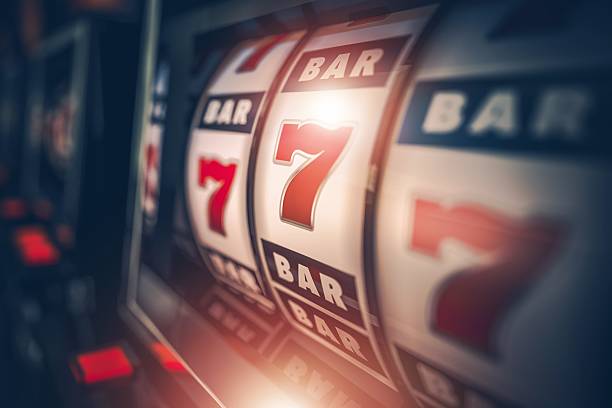
Moreover, the design of casino games is tailored to evoke specific emotional responses. Color schemes, sound effects, and even the narratives surrounding various games are meticulously crafted to keep players engaged and emotionally invested. When players feel an emotional connection to a game, they may play longer and bet higher, as the entertaining experience overshadows logical thinking. This phenomenon creates a challenge for players who may struggle to maintain rational thinking amidst their emotional engagement. The allure of a game that provides excitement can easily overshadow awareness of the risks involved.
The cycle of emotion and decision-making is further amplified by the concept of loss aversion, where the fear of losing money often outweighs the potential joy of making a profit. This emotional state can lead players to continue gambling, hoping to recover their losses, which can often result in a cycle of increased risk-taking and financial strain. The emotional landscape of gambling is complex and plays a critical role in how individuals engage with casino games. Understanding this interplay can help players recognize when their emotions are leading them astray, encouraging more responsible gambling practices.
Understanding the Casino Experience
A comprehensive understanding of the psychology behind casino games is vital for both players and operators alike. For players, recognizing the psychological triggers at play can empower them to make informed decisions, potentially leading to a healthier relationship with gambling activities. Awareness of cognitive biases, emotional responses, and the social dynamics involved can reduce the risk of developing problematic behaviors associated with gaming. This awareness encourages players to set limits and approach gambling as a form of entertainment rather than a pathway to financial gain.
For casino operators, understanding the psychological aspects can inform more responsible gaming practices. With knowledge of how players engage with their environment, casinos can create settings that encourage fun without leading to excessive gambling. This growing awareness can result in enhanced customer satisfaction as players feel understood and respected, allowing for a more balanced gaming experience. Incorporating responsible gaming messages and providing support resources can help foster a more positive relationship between players and the gaming environment.
Ultimately, the allure of casino games lies in a complex interplay of psychological factors that captivate players and keep them returning for more. By acknowledging and understanding these influences, casinos can foster environments that provide entertainment while prioritizing the well-being of their customers. This creates a sustainable model for both enjoyment and responsibility, ensuring that gaming remains a pleasurable activity without significant negative consequences. Recognizing the psychological underpinnings of gambling can lead to more mindful play and a deeper appreciation for the games that draw so many into their vibrant worlds.